

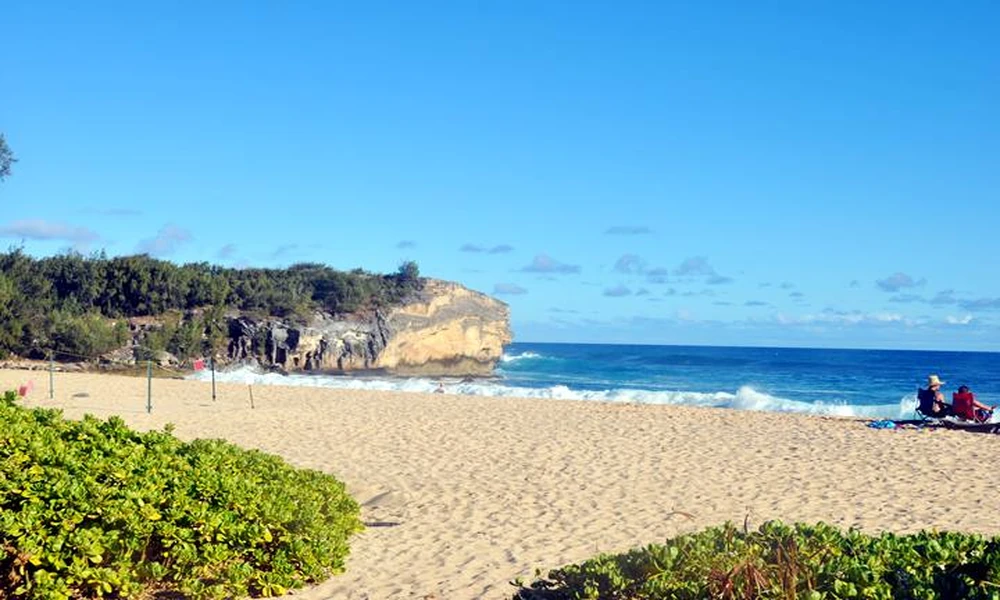
Most first time visitors book their Kauai days around the North Shore and never look south. That’s a mistake, and it costs them the best half of the island. The South Shore packs a zipline course, a jungle ridgeline, a working reservoir, and a century old sugar mill into a stretch of road you can drive in fifteen minutes. You don’t need a helicopter to see Kauai’s wild side. You need a decent pair of shoes and a morning free.
Here’s the promise: by the end of this piece you’ll know how to structure a South Shore day that feels earned instead of packaged, which terrain suits which kind of traveler, and where to slot the one activity that turns a nice vacation into the story you tell for years.
What makes the South Shore different from the rest of Kauai
Kauai gets called the Garden Isle for good reason. Rainfall shapes the whole island, and it shapes the regions very differently. The North Shore around Hanalei runs lush and dramatic, with sea cliffs that look painted. The South Shore around Koloa runs warmer and drier, which sounds less exciting until you realize what dry ground actually buys you: trails that don’t turn to soup, ridgelines you can climb without a machete, and mornings that start under blue sky instead of mist.
That matters more than most travel writing admits. I’ve spent plenty of vacation hours standing under a dripping canopy waiting for a break in the weather. It’s romantic for about twenty minutes. After that you’re just wet and slightly annoyed. The South Shore gives you the jungle without the constant bath, and the heat is real but manageable if you start early.
The island’s geography itself is worth understanding before you book anything. The State of Hawaii manages a landscape shaped by volcanic activity and centuries of erosion, which is why Kauai’s interior is a maze of ridges and valleys rather than a single central peak. You feel that when you’re standing above it, not reading about it.
Mt. Haupu and the ridgeline that shapes the whole valley
One mountain anchors the Koloa area, and once you notice it you can’t stop noticing it. Mt. Haupu rises behind the town like a wall someone forgot to finish, its face catching morning light while the valley below stays in shadow. Locals treat it as a landmark the way mainlanders treat a water tower, except this one happens to be ancient, sacred, and genuinely imposing.
The ridgeline above it is where the terrain gets interesting. Zipline courses in this area run along the mountain’s shoulder, which means you’re not crossing a manicured field. You’re moving over treetops, over gullies, over ground that looks nothing like the postcard beaches a mile away. If your idea of a thrill is a canopy tour over flat farmland, the South Shore will recalibrate your expectations fast.
What I’d tell a friend: book the zipline first, then plan everything else around it. Not because the other stuff is worse, but because the zipline is the thing you can’t do anywhere else on the island with the same combination of elevation, vegetation, and ocean views on the return.
Is the Waita Reservoir worth your time?
Yes, and not for the reason you’d guess. The Waita Reservoir sits next to Mt. Haupu and was built in the early 1900s as the water source for the Koloa sugar plantation, later expanded to cover hundreds of acres. It holds billions of gallons and, more interestingly, it’s become a wildlife magnet. Expect Muscovy ducks, Hawaiian coots, stilts, pheasants, and the occasional wild boar. The water itself carries largemouth and peacock bass, tilapia, and koi left over from Japanese camp gardens planted during the plantation years.
You can’t just walk up to it. The reservoir sits on private land, which means your only way in is on a guided tour or as part of a zipline outing. Some people find that annoying. I find it useful, because it keeps the place from turning into a parking lot with a view. Access restrictions are the reason the birdlife is still there.
The history underneath all this is deeper than the plantation era. According to the National Park Service, Hawaiian cultural landscapes tie land, water, and community together in ways that predate any commercial use of the island. Standing at a reservoir edge with a mountain behind you, that idea stops being abstract.
Old Koloa Sugar Mill: the ruins that explain the town
Koloa is a plantation town. That’s not trivia, it’s the reason the streets look the way they do. The old sugar mill operated for most of the twentieth century and, at its peak, was the highest producing mill in the state. It closed in the 1990s. Today you can’t walk through it, but you can absolutely photograph it, and Hollywood has been doing exactly that for decades.
Here’s my honest take on the mill: it’s a fifteen minute stop, not an afternoon. Go, look, read the plaques, take the picture, move on. The value isn’t in the building. It’s in the context it gives everything else nearby. Once you know the reservoir fed the plantation and the mill processed the crop, the whole valley stops being scenery and starts being a system that people built by hand.
Building your South Shore day, step by step
Here’s a sequence that works, based on how the heat and the light move across the valley.
- Start at first light. Book the earliest zipline slot you can get. Cooler air, softer light, and you’ll finish before the afternoon clouds stack against the mountain.
- Layer your clothing. Light long sleeves beat tank tops. You’re moving through vegetation, and the sun on an exposed ridge hits harder than the beach forecast suggests.
- Bring real shoes. Not sandals. Not the sneakers you wore on the plane three days ago. Something with tread.
- Plan the reservoir for mid morning. Wildlife activity drops as the day heats up, so earlier is better for birds.
- Save the mill for last. It’s shaded, walkable, and a natural wind down after physical activity.
- Eat in Koloa town. You’ve earned it, and the food options there beat anything you’ll find at a resort pool bar.
One more note on timing. Weather on the South Shore is more reliable than the North Shore, but “more reliable” isn’t “guaranteed.” Build a cushion into your day and you won’t spend it stressed.
The case for going, not just reading
Travel writing has a credibility problem. Everyone describes the same island with the same adjectives. What actually distinguishes a trip is whether you touched the terrain or just photographed it from a scenic overlook with forty other rental cars.
So here’s the test I’d apply to your itinerary. Does it include at least one thing that gets your heart rate up and your hands slightly dirty? If not, you’re touring Kauai rather than experiencing it. The U.S. Census Bureau tracks visitor activity across the islands, and outdoor recreation consistently shows up as a driving force behind why people travel to Hawaii in the first place. People don’t fly five hours to sit still.
An adrenaline-filled playground in Kauai isn’t a marketing line. It’s a description of what the South Shore actually is once you get off the highway and onto the ridge above Koloa.
The South Shore rewards people who plan a little and commit a lot. Pick your day, book early, bring shoes that can handle dirt, and let the mountain do the rest. The valley’s been there for millions of years. It’ll still be there next spring, but your window to see it this way is shorter than you think. So which morning are you claiming?
