

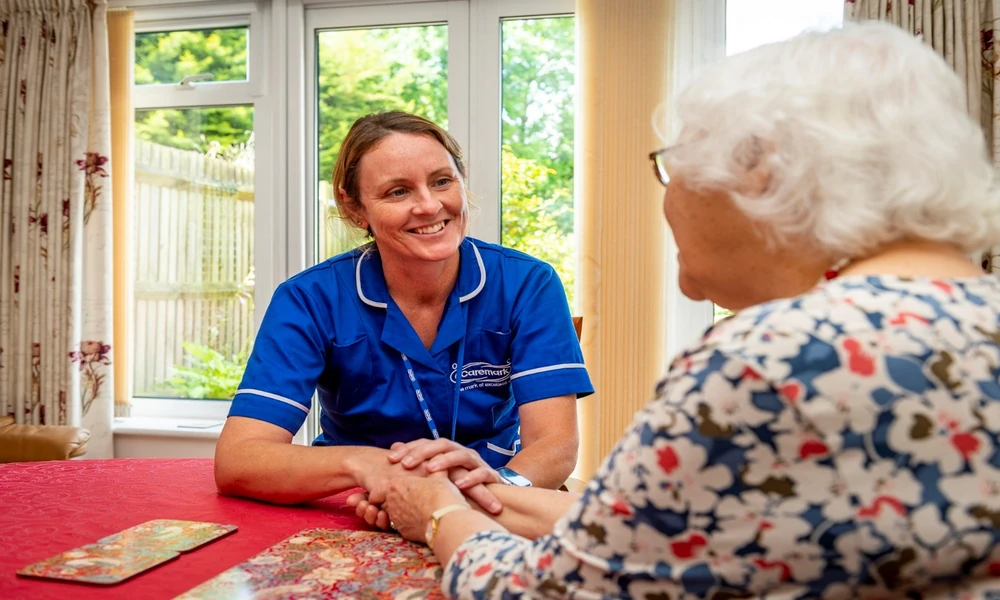
When families begin looking for home care, the first questions are often practical.
How frequently can somebody visit? What help can they provide? How much support will be needed?
All of those questions matter, but there is another factor that can have a huge influence on how somebody feels about receiving care: continuity.
For an older person inviting somebody into their home, seeing familiar faces can be every bit as important as the tasks carried out during the visit.
Care Is Built on Relationships
Home care is unusually personal.
A Care Assistant may help somebody get ready in the morning, prepare breakfast, offer medication support or simply sit down for a conversation over a cup of tea.
Trust does not always develop instantly.
It grows when somebody becomes familiar with a person’s personality, preferences, routines and the little things that make them comfortable.
Knowing that Margaret likes her tea fairly weak, that John prefers to shower after breakfast or that a customer becomes anxious if somebody arrives unexpectedly may sound like small details, but these details are often what make care feel genuinely personal.
That is why continuity matters.
Familiarity Can Help People Feel More Comfortable
Receiving care can initially feel like a major change, particularly for someone who has lived independently for many years.
Having a constant stream of unfamiliar people entering the home can make that adjustment harder.
Where possible, matching customers with familiar Care Assistants can help create reassurance and routine. Caremark Cambridge & South Cambridgeshire specifically highlights the importance of matching Care Assistants with customers and maintaining those relationships.
Over time, a live in care Cambridge assistant may also become more likely to notice subtle changes.
Perhaps somebody seems quieter than usual, is eating less, appears less steady on their feet or has started struggling with something they previously managed comfortably.
Knowing the person makes those differences easier to recognise.
Companionship Is Part of Good Home Care
There is sometimes a tendency to think of home care purely in terms of practical jobs.
In reality, human interaction can matter enormously.
For somebody who lives alone, a care visit may be one of the most meaningful conversations they have that day.
Caremark’s own Cambridge customer feedback highlights how the social side of visits can be just as valuable as practical assistance, particularly where a Care Assistant may be one of the few people a customer sees regularly.
A familiar person asking how your morning has been feels very different from constantly having to introduce yourself to somebody new.
Giving Families Greater Peace of Mind
Continuity can also make life easier for relatives.
Family members want to know that the person supporting Mum or Dad understands their circumstances and that important information is not constantly being lost between different people.
Good communication between the care team, customer and family helps create confidence.
It can also make changing needs easier to manage because there is already an established relationship and understanding of what normal day-to-day life looks like.
Care Should Remain Personal as Needs Change
Nobody’s care needs remain exactly the same forever.
Some people may begin with a few hours of companionship or household support each week. Later, they may require personal care, additional daily visits, respite support or eventually live-in care.
The advantage of choosing a flexible home care provider is that support can evolve without losing sight of the individual behind the care plan.
That is particularly important as more families look for ways to help older relatives remain safely and confidently at home.
Looking for Home Care in Cambridge or South Cambridgeshire?
Caremark Cambridge & South Cambridgeshire provides personalised home care ranging from occasional visits through to more extensive daily and live-in support.
To discuss care for yourself or a family member, visit www.caremark.co.uk/locations/cambridge-and-south-cambridge, call 01223 778818, or email cambridge@caremark.co.uk.
Ultimately, good home care is not simply about completing a list of tasks. It is about understanding the person, building trust and providing support in a way that allows somebody to continue feeling comfortable, respected and at home.
